Energy-Efficient Window Shades That Save Money
Honeycomb and cellular shades reduce heat loss in winter and block heat in summer. Learn which options work best for Hong Kong's climate.
Why Window Shades Matter in Hong Kong
Hong Kong's tropical climate means your air conditioning works overtime. The summer heat pours through windows relentlessly, and even during cooler months, poor window insulation lets warmth escape. That's where the right shades come in.
The good news? You don't need to choose between comfort and style. Modern energy-efficient shades — especially honeycomb and cellular designs — actually trap air in tiny pockets, creating an insulating barrier. We've seen homes cut their cooling costs by 15-25% just by upgrading their window treatments.

How Cellular Shades Actually Work
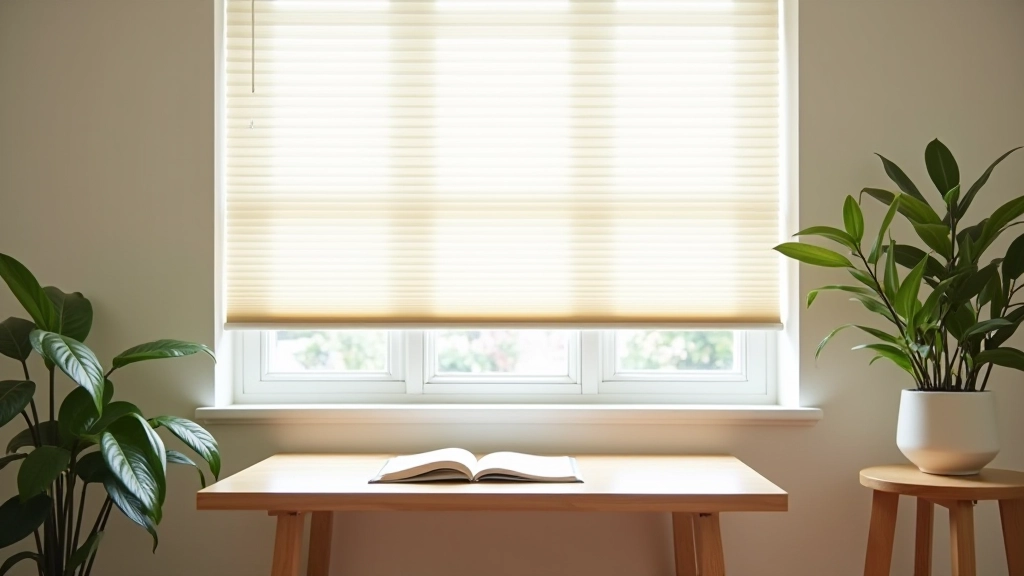
Think of honeycomb shades as a thermal blanket for your windows. They're made with hollow cells — single-cell, double-cell, or triple-cell depending on the model. Each layer of cells traps air, and air is a terrible conductor of heat. Winter heat stays in. Summer heat stays out.
Key insight: Double-cell shades perform about 30% better than single-cell for insulation. Triple-cell is premium but worth it if you live in a high-sun unit or have large windows facing west.
The material matters too. Cellular shades come in blackout (blocks light completely), room-darkening (filters most light), and sheer (lets light through). For maximum efficiency in Causeway Bay's bright conditions, you'll want blackout or room-darkening fabrics on west-facing windows.
Three Types Explained
- Single-Cell: One layer of air pockets. Good for apartments, budget-friendly, adequate for mild temperature control.
- Double-Cell: Two layers of air pockets. Better insulation, quieter, reduces condensation in winter. Most popular choice.
- Triple-Cell: Three layers for maximum thermal resistance. Premium option, heaviest insulation, best for extreme conditions.
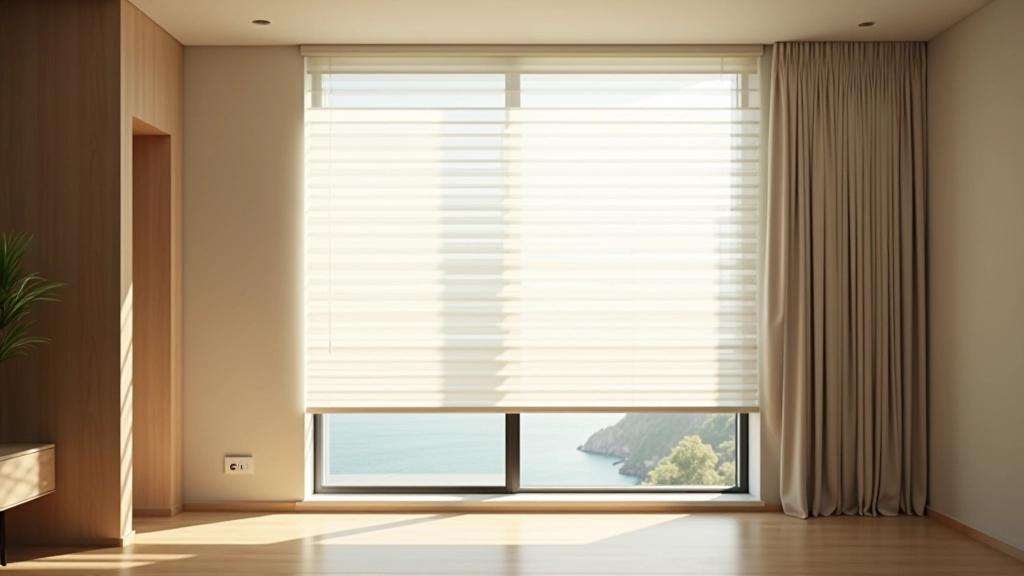
Installation & Fit Matters
Here's what people miss: even the best cellular shade loses efficiency if it doesn't fit your window properly. Gaps around edges let heat bypass the insulation completely. That's why custom fit is worth the investment.
You've got three installation options. Inside mount fits the shades inside the window frame — cleaner look, but requires precise measurements and works best with frames in good condition. Outside mount covers the entire window frame and surround, blocking more heat but taking up wall space. Top-down/bottom-up shades let you open from either direction, perfect for controlling light while maintaining privacy downstairs.
Installation typically takes 2-4 hours for an average apartment. If you're doing multiple windows, schedule it on a cooler day — your air con will work less hard during the process.

Real Savings Over Time
What you'll notice: Most Hong Kong apartments see a 15-25% reduction in summer cooling costs. Winter savings are smaller (5-10%) since we don't heat our homes, but the shades also reduce condensation and cold drafts.
Let's do the math. A typical 500 sq ft apartment in Causeway Bay with 200 sq ft of windows might spend HK$1,500-2,000 per month on air conditioning during summer. Cellular shades could reduce that by HK$225-500 monthly. Installation costs HK$4,000-8,000 depending on window count and complexity. You're looking at payback in 1-2 years, then pure savings.
Don't forget the secondary benefits either. Cellular shades block UV rays, protecting your furniture from fading. They reduce noise from street traffic by 3-5 decibels. They last 10-15 years with basic maintenance — just occasional vacuuming to keep dust off the cells.
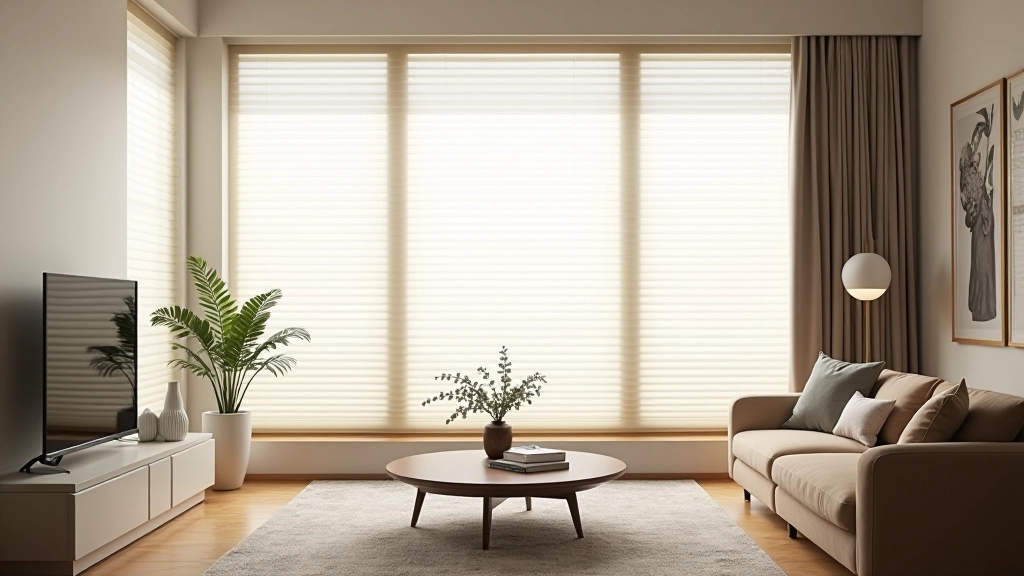
Additional Benefits Beyond Savings
- Blocks 99% of UV rays, protecting furniture and artwork from fading
- Reduces external noise by 3-5 decibels, noticeably quieter rooms
- Prevents condensation buildup on windows during winter
- Maintains privacy while controlling natural light
- Available in motorized options for convenience
How to Choose the Right Shades for Your Space
Window direction is your first decision point. East-facing windows get morning sun but cool by afternoon — single or double-cell shades work fine. South-facing windows get consistent light all day; you'll want room-darkening double-cell minimum. West-facing windows are the challenge — they take direct afternoon sun and heat up your space dramatically. Go with blackout double-cell or triple-cell if you can.
Color choice affects both efficiency and aesthetics. White and light colors reflect heat better, making them more efficient. Dark colors absorb heat and look sophisticated. Honestly, the thermal difference is small — maybe 5% — so choose what makes your space feel right. Most people in modern apartments go neutral (white, beige, gray) for versatility.
Consider automation if you've got the budget. Motorized cellular shades with smart timers are becoming standard in new buildings. They're not cheap upfront, but they optimize temperature control automatically and add real convenience.
Making the Investment
Energy-efficient cellular shades aren't just about lowering your electricity bill — though that's definitely real. They're about creating a more comfortable home where temperature stays stable, sunlight filters naturally, and you're not fighting your air conditioning system all summer.
If you're in a Causeway Bay apartment with large windows or south/west-facing exposure, upgrading to double-cell honeycomb shades makes financial sense within 1-2 years. Even if you're in a smaller space, the comfort improvement alone might be worth it.
Start by measuring your windows and getting quotes from 2-3 installers. Most offer free consultations and can show you samples in your space. Don't rush — good window treatments are an investment that'll serve you for a decade.
Important Notice
This article is for educational purposes and provides general information about energy-efficient window shades. Individual energy savings vary significantly based on your specific apartment layout, window size, current shading, climate control habits, and installation quality. The cost figures and savings percentages mentioned are estimates based on typical Hong Kong residential scenarios — your actual results may differ. Always consult with a qualified window treatment professional or energy auditor for personalized advice. Actual energy costs and ROI depend on your specific electricity provider rates and usage patterns.
Related Articles