Layered Window Treatments for Maximum Control
Combining sheer and opaque fabrics creates flexibility. We'll show you how to balance light, privacy, and visual appeal in one system.

Why Layering Works
Most people think about windows as either open or closed. But that's not how modern interiors work. You need flexibility — sometimes you want full sunlight streaming in, sometimes you need complete darkness, and most of the time you're somewhere in between.
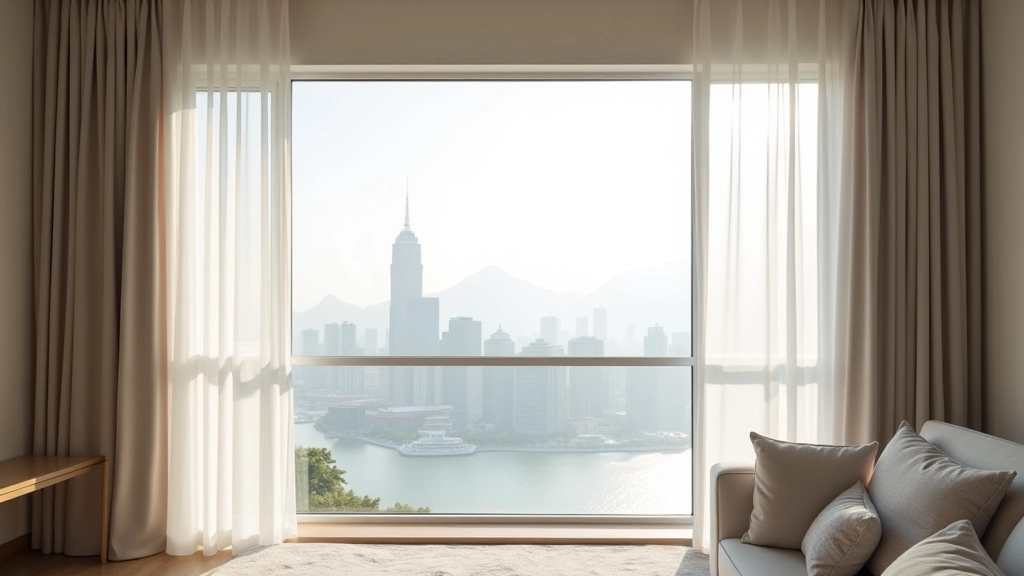
Layering window treatments gives you that control. You're not choosing between sheer curtains OR blackout blinds. You're combining them into a system where each layer serves a purpose. It's how luxury hotels and high-end apartments do it — and it's easier to achieve than you'd think.

The Three-Layer System
1
Base Layer: Sheer Curtains
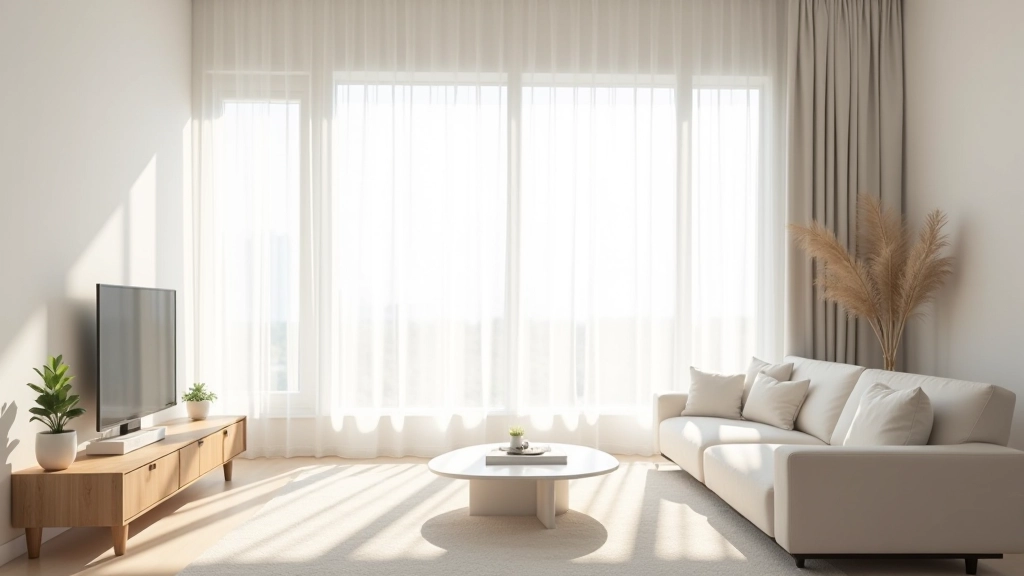
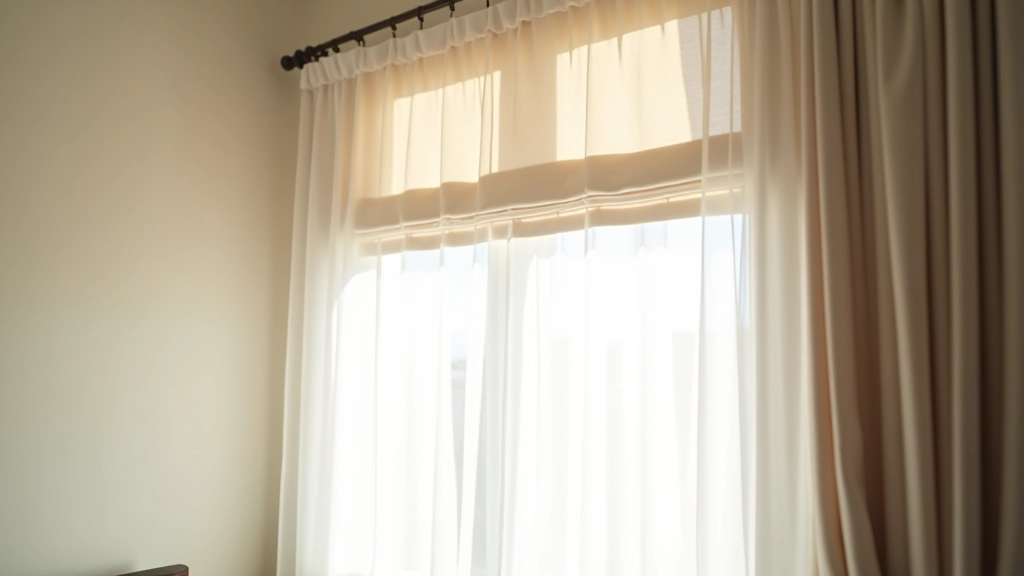
These aren't your grandmother's lace curtains. Modern sheer fabrics like linen blends and specialty weaves filter light without looking fussy. They let you see outside while preventing people from seeing in during the day. This layer handles your everyday needs — soft natural light without the glare.
The Middle Layer: Roller or Roman Shades
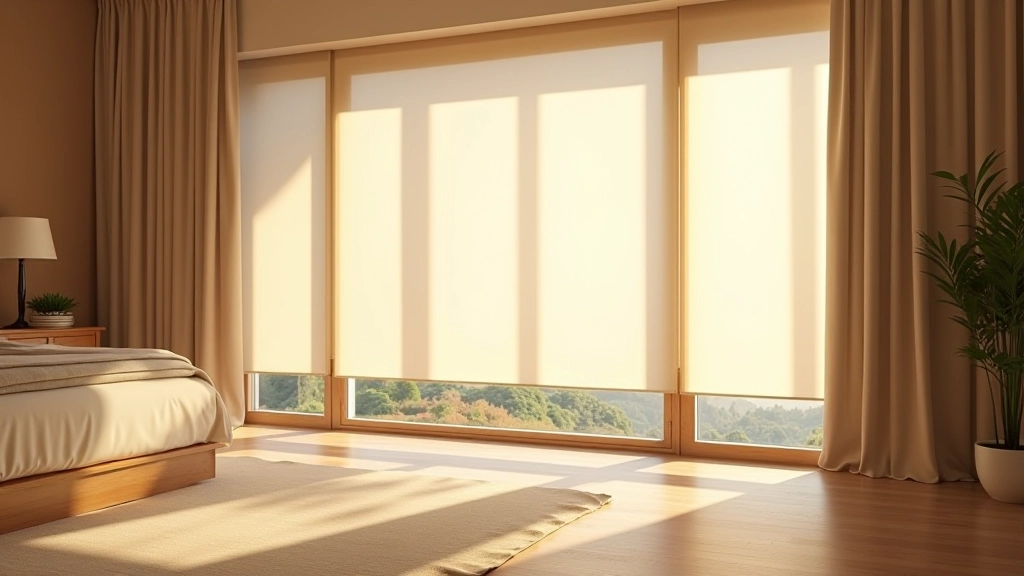
This is your workhorse layer. It provides light control without the bulk of heavy curtains. You can choose semi-opaque shades for moderate blocking, or blackout materials when you need serious darkness. The key advantage? They're compact, so they don't overwhelm a room. In Causeway Bay apartments where space is premium, this matters.
We typically recommend motorized roller shades for this layer if your budget allows. They're silent, precise, and you'll actually use them because they're convenient. But quality manual shades work perfectly fine too.
3
Top Layer: Statement Curtains
This layer is your design element. Heavy curtains in linen, velvet, or high-quality synthetic blends frame the window and add visual weight to the room. They're there for aesthetics and acoustic dampening as much as light control. Since your practical work is done by the lower layers, these can be chosen purely for how they look.
How to Layer Properly
The spacing between layers matters more than people realize. If everything's crammed together, light leaks around the edges and you lose the benefit of layering. Here's the standard approach:
1
Mount the roller shade inside the window frame or just above it. This provides your primary light control and doesn't take up much visual space.
2
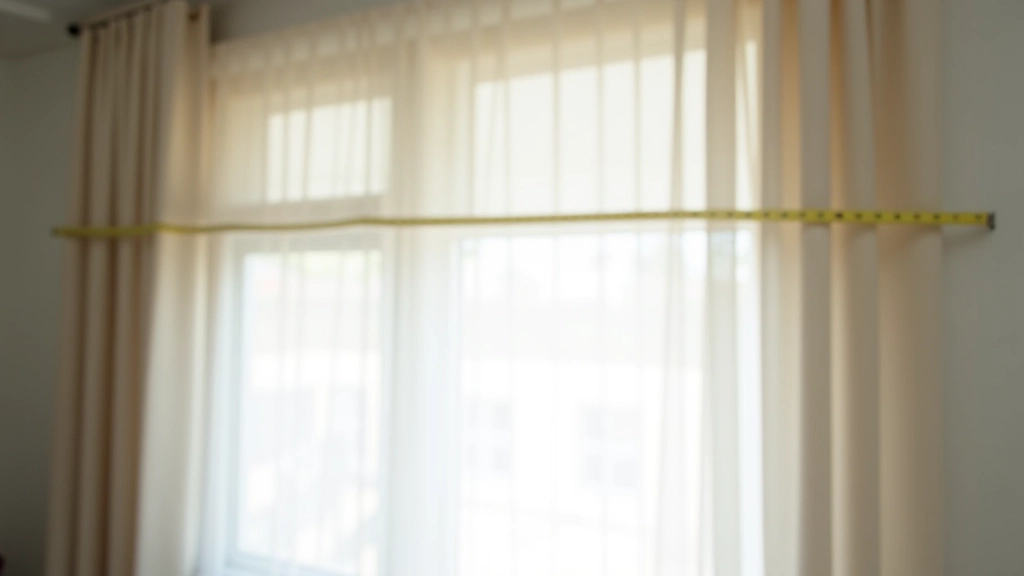
Hang sheer curtains from a track 15-20cm above the shade. They should reach about 5cm below the sill. This gap allows air circulation and prevents heat buildup in summer.
3
Add statement curtains on a higher track that extends beyond the window frame. This creates visual depth and makes the window feel larger. Mount them 10-15cm above the sheer curtain track.
The total projection from wall to front of curtains should be about 20-25cm. This sounds like a lot, but you're building in depth that creates visual interest and proper light control. In Hong Kong apartments, this usually means mounting directly on the wall rather than the frame.
Choosing Your Fabrics
Sheer Layer Fabrics
Linen blends offer a natural look and filter light beautifully. Polyester sheers are more affordable and easier to maintain. Silk gives luxury feel but requires professional cleaning. For Hong Kong's humidity, blends with at least 50% natural fiber resist mildew better than pure synthetics.
Shade Materials
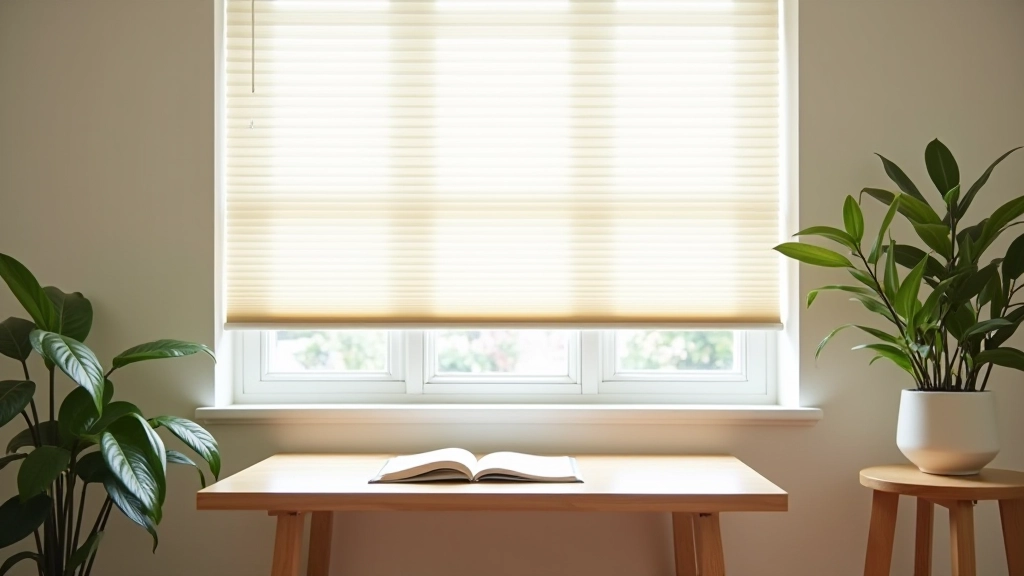
Blackout polyester blocks 99%+ of light and insulates against heat. Solar shades let you see out while blocking UV rays — great for glare without total darkness. Cellular shades offer good insulation. Motorized options add convenience but require professional installation for battery or wiring.
Statement Curtains
Heavy linen is timeless and improves with age. Velvet adds luxury and acoustic dampening — excellent in noisy urban areas like Causeway Bay. Jacquard weaves give visual interest. Wool blends are durable and naturally flame-resistant. Budget 800-1200 HKD per meter for quality fabrics.
Design Tips for Success
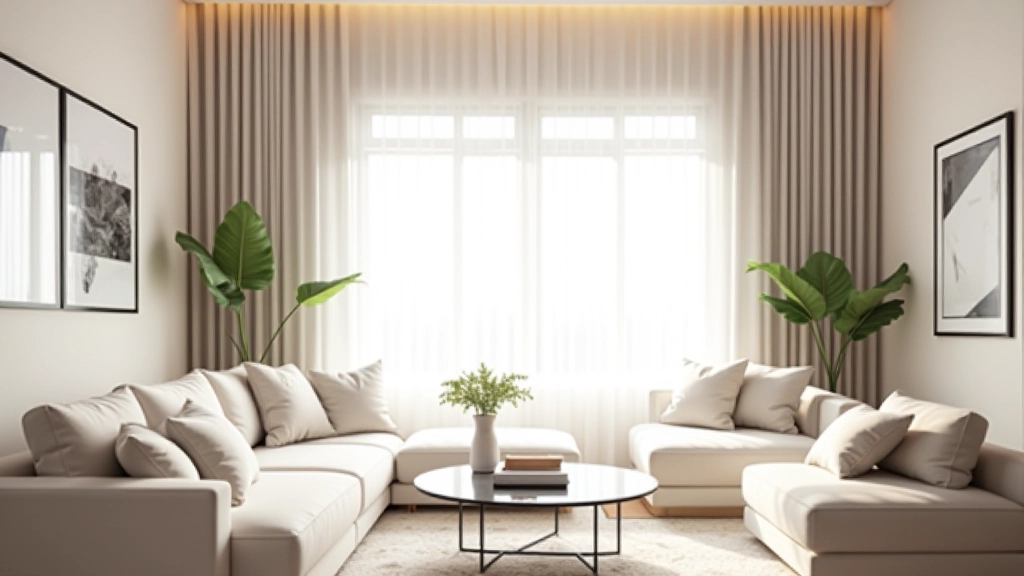
Don't overthink the color coordination. Most successful layered systems use one neutral base with subtle variation. Think cream sheer, white roller shade, and grey statement curtains. Or natural linen, beige shade, and warm taupe curtains.
The visual trick is keeping the overall scheme light and airy while adding texture through fabric choice. A linen sheer feels different from a polyester sheer even if they're the same color. This texture variation creates interest without color chaos.
If you're working with a small space, extend the curtain track beyond the window frame on both sides. This makes windows appear wider and creates the illusion of more space. In Causeway Bay's compact apartments, this single technique makes a real difference to how open the room feels.
Keeping Layers Clean and Functional
Layered systems collect more dust than single treatments. That's the trade-off. But it's manageable with a simple routine.
Monthly: Quick Vacuum
Use a soft brush attachment on your vacuum to gently clean curtain surfaces. Start from top and work down. Takes 10 minutes per window.
Quarterly: Track Cleaning
The tracks collect dust and debris. A damp microfiber cloth and mild detergent solution keeps them running smoothly. Check that shades roll up and down freely.
Annually: Professional Clean
Have curtains professionally dry-cleaned once a year. Hong Kong's humidity and urban pollution mean fabrics benefit from professional care. Expect 300-600 HKD for standard size panels.
Motorized shades need occasional battery replacement (every 2-3 years) and checking for mechanical issues. A simple test monthly — fully extend and retract without obstacles — catches problems early.
The Bottom Line
Layered window treatments aren't complicated. They're actually the simplest way to get complete control over light, privacy, and aesthetics in one system. You're not choosing between function and beauty — you're getting both.
Start with understanding your window's purpose. Is it a bedroom that needs total darkness? A living room that shows your city view? An office needing glare control? Once you understand what you're solving for, the layering strategy becomes obvious.
The investment is real — quality layered systems cost 4000-8000 HKD per window installed. But they last 10-15 years and you'll use them every single day. That's better value than most furniture purchases you'll make.
Important Notice
This article provides informational guidance on window treatment design and installation principles. Specific installation requirements vary based on your window type, building construction, and local building codes. Before purchasing materials or making modifications to your windows, we recommend consulting with a professional interior designer or contractor familiar with Hong Kong building standards and your specific space. Material prices and availability mentioned are current as of May 2026 and are provided for reference only.
Explore More Articles